Over the last couple of weeks, I’ve had a few mornings where my daily health checks just didn’t look right.
My weight was up.
My body-water reading was up.
My feet were a little swollen.
And I was sitting there trying to figure out what had changed.
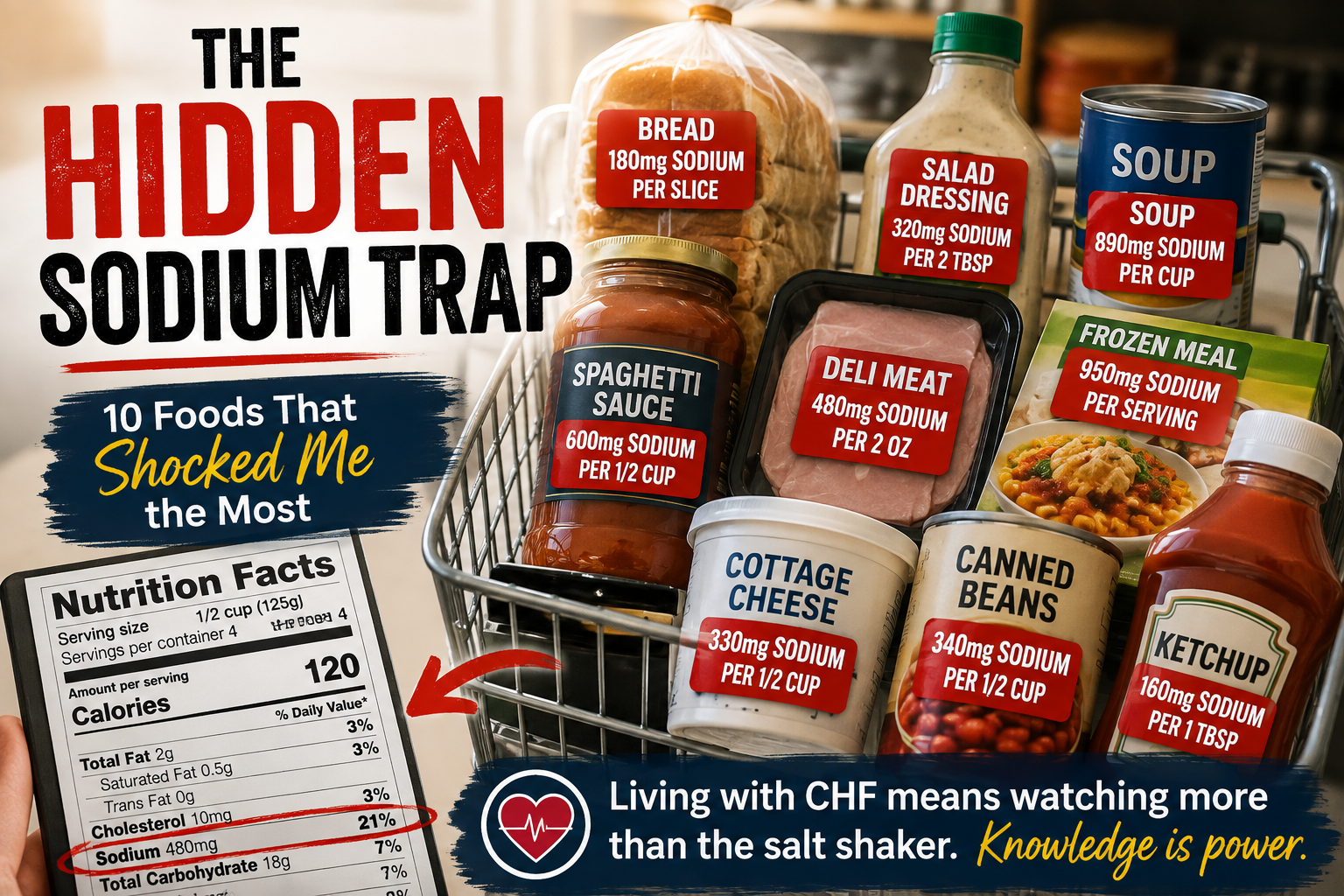
I’m pretty obsessive about sodium and fluid intake at this point, so when something jumps unexpectedly, I usually start retracing what I ate the day before.
One thing kept showing up.
Shrimp.
That surprised me because shrimp has always seemed like one of the safer foods.
Plain shrimp.
No breading.
No heavy sauce.
No obvious salt.
How bad could it be?
Apparently, pretty bad if you buy the wrong bag.
Shrimp Isn’t Always Just Shrimp
Fresh, untreated shrimp can actually be fairly reasonable when it comes to sodium.
NOAA lists raw pink and white shrimp at about 148 mg of sodium per 100 grams.
That is not sodium-free, but it is a completely different world from some processed frozen shrimp.
Researchers have found raw retail shrimp products ranging from about 170 mg all the way up to 1,130 mg of sodium per 113-gram serving.
Think about that for a second.
Two bags of shrimp can look almost identical.
Same color.
Same size.
Same shape.
Same freezer case.
But one can contain several times the sodium of the other.
That is where this gets interesting.
Why Would Frozen Shrimp Have So Much Sodium?
Shrimp is highly perishable.
Once it is caught, quality can deteriorate quickly, and freezing creates its own problems. During freezing and thawing, shrimp can lose moisture, texture, and weight.
Food processors often use moisture-retention treatments to reduce those losses.
One of the most common is sodium tripolyphosphate, usually abbreviated STPP.
STPP helps shrimp retain water and maintain texture during freezing and thawing. Salt may also be included in treatment solutions.
From the processor’s point of view, this makes sense.
The shrimp keeps more moisture.
It loses less weight during thawing.
The texture holds up better.
There is potentially more sellable weight.
The problem for someone watching sodium is that the shrimp you thought was basically plain seafood may no longer be plain seafood.
The Label Is Where You Have to Start
This is why I have learned that you cannot look at a bag of shrimp and assume anything.
Flip it over.
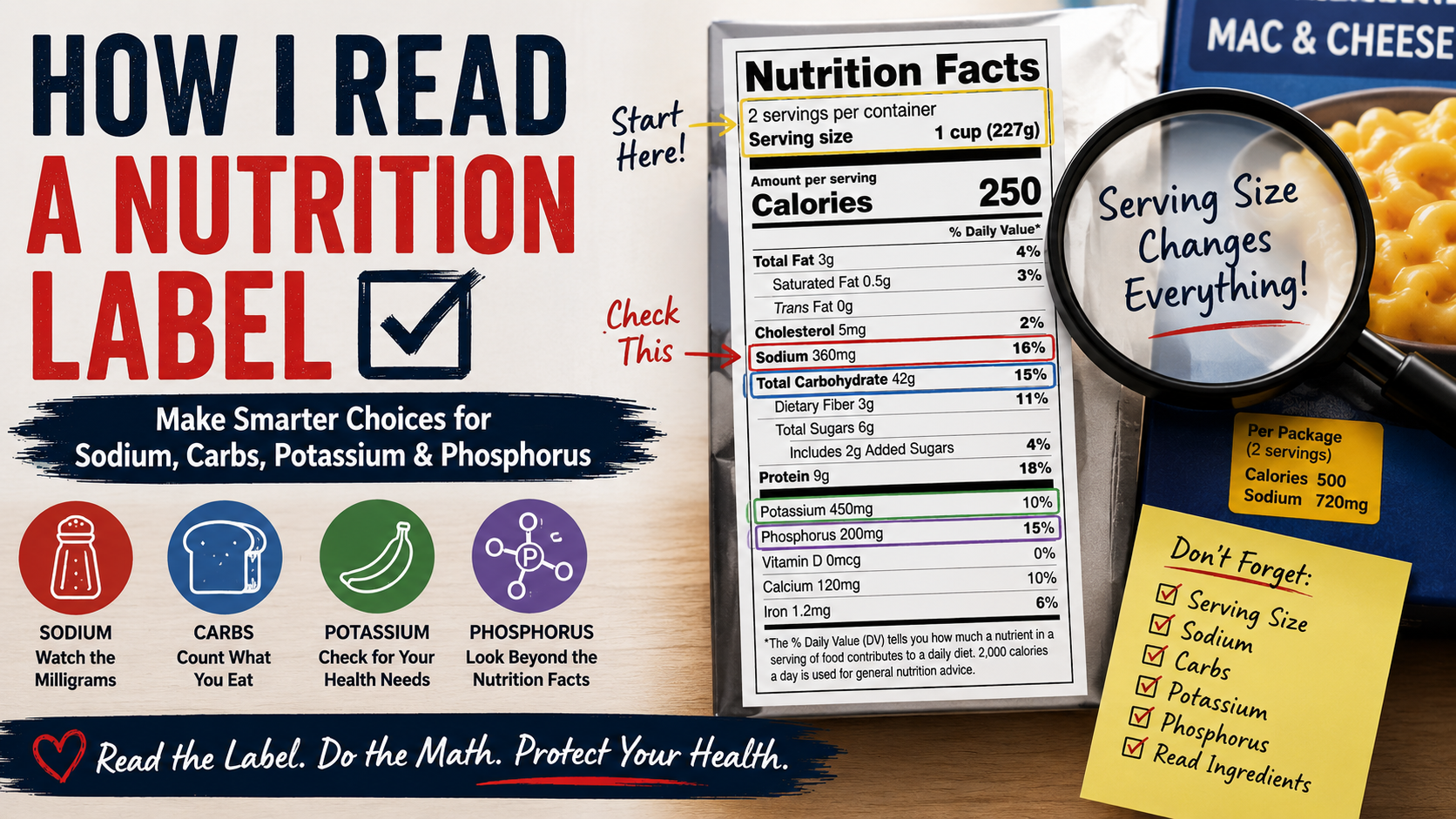
Read the Nutrition Facts.
Then read the ingredient list.
Look for things like:
- Sodium tripolyphosphate
- Sodium phosphate
- Sodium chloride
- Salt
- Sodium bicarbonate
- Sodium carbonate
- Sodium citrate
- Wording such as “treated with” or “solution added”
Not every processed shrimp product is extremely high in sodium, and not every additive has the same effect.
But if sodium matters to you, the ingredient list is worth reading.
I used to look at shrimp and think:
Shrimp is shrimp.
I don’t anymore.
Then I Found Something That Really Got My Attention
While looking into this, I came across a U.S. market survey involving 152 samples of raw and cooked peeled shrimpcollected from retail locations.
The sodium variation was huge.
Raw shrimp ranged from 170 to 1,130 mg per 113-gram serving.
Cooked shrimp ranged from 100 to 612 mg per 85-gram serving.
But that wasn’t even the part that bothered me the most.
Only 31 percent of the samples correctly reported the sodium amount on the Nutrition Facts panel within the allowable tolerance.
After accounting for the permitted variation, researchers found that about 53 percent of the samples underreported sodium, while roughly 15 percent reported more sodium than testing actually found.
That one got my attention.
If you are just casually watching sodium, a difference on a label might not seem like a huge deal.
If you are trying to tightly control sodium because you are watching weight, swelling, fluid retention, blood pressure, or heart failure symptoms, it becomes a much bigger deal.
You can make what you think is the right choice and still end up consuming considerably more sodium than you expected.
And That’s Before You Even Cook It
Here’s another thing that is easy to overlook.
The sodium number on the package is before you cook the shrimp.
So if the shrimp already starts out high in sodium because of processing, you can make the problem much worse depending on how you prepare it.
Blackened shrimp is a perfect example.
A lot of blackening seasonings contain a significant amount of salt. The same goes for many Cajun blends, seafood seasonings, garlic salt, seasoned butter, bottled marinades, sauces, and even some lemon-pepper blends.
So you could start with shrimp that already contains several hundred milligrams of sodium per serving and then add another layer of sodium during cooking without realizing how quickly it adds up.
That means I have to be just as careful with the seasoning as I am with the shrimp itself.
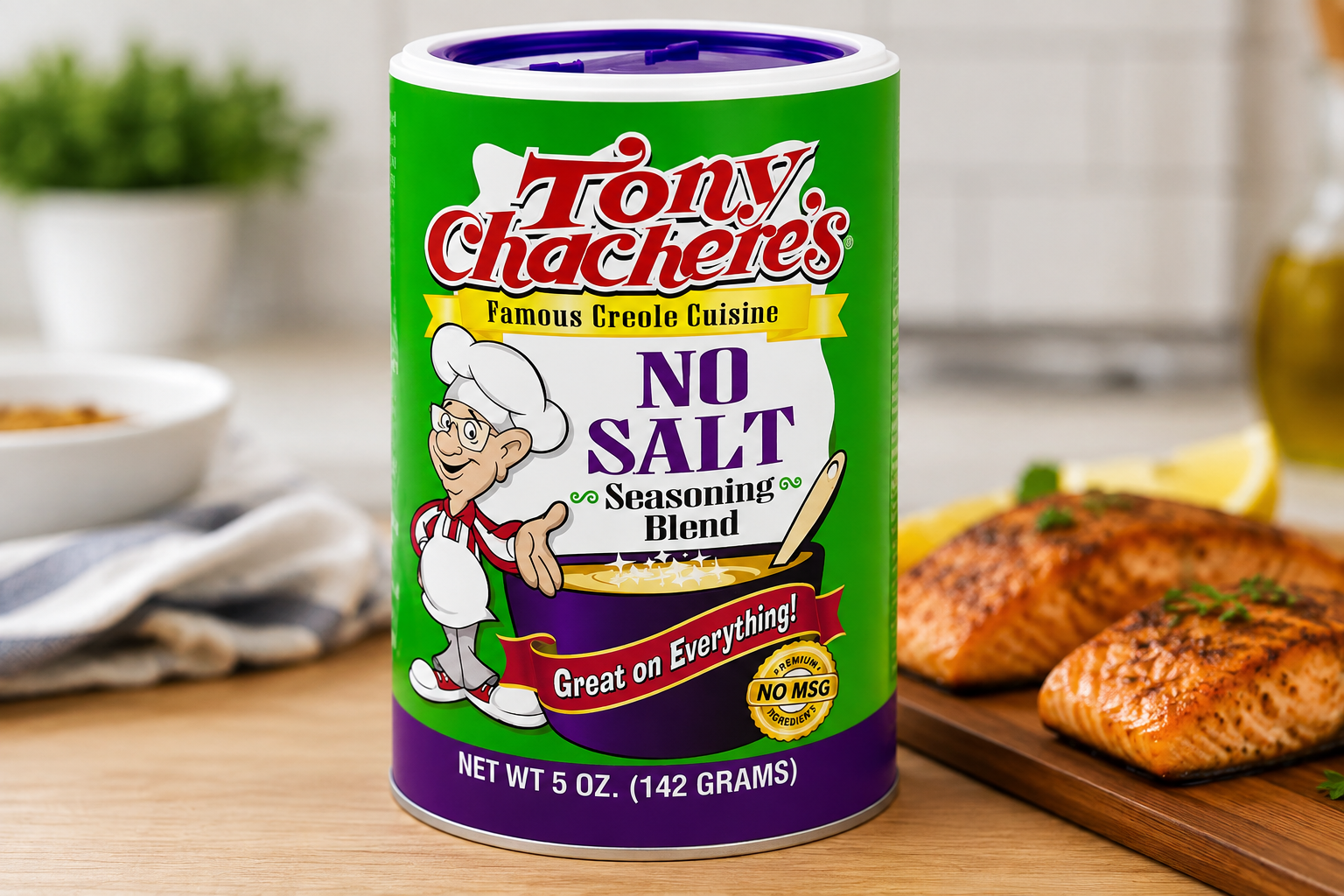
For me, the safest approach is to start with the lowest-sodium shrimp I can find and then season it with salt-free spices and herbs.
Paprika.
Garlic powder.
Onion powder.
Cayenne.
Black pepper.
Oregano.
Thyme.
Lemon juice.
Fresh garlic.
You can still get plenty of flavor without dumping a bunch of sodium on top of food that may already contain more than you expected.
That is really the bigger lesson.
Check the sodium before you cook it — then make sure you don’t put it all back in while cooking it.
What About Washing the Shrimp?
The obvious question is:
Can’t I just rinse it?
Maybe rinsing removes some sodium from the surface.
But I would not personally depend on that as a strategy.
These treatments are used specifically to affect the shrimp’s ability to hold water, and some of that treatment is not just sitting loosely on the outside waiting to be washed away.
The bigger problem is that I have no way in my kitchen to know how much sodium rinsing actually removed.
Did I remove 5 percent?
Twenty percent?
Half?
I have absolutely no idea.
And neither does my sink.
For me, if the package starts out much higher in sodium than I want, I would rather choose another product than try to wash my way out of it.
Fresh Shrimp Is Still My First Choice
When I can get genuinely fresh, untreated shrimp, that is my preference.
Here in Florida, that is sometimes easier than it might be in other parts of the country.
But fresh shrimp has its own limitations.
It is highly perishable.
It needs to be handled properly.
And much of what is sold as “fresh” seafood may have been previously frozen, so it is still worth asking questions.
Frozen shrimp itself is not the enemy.
There is absolutely nothing wrong with freezing shrimp.
The issue is what happened to the shrimp before it went into the freezer.
That is the part I am paying much closer attention to now.
My Shrimp Lesson
I can’t prove that shrimp caused every fluid issue I’ve experienced recently.
There are too many variables involved for me to make that claim.
But I can say that it made me start looking much more closely at the shrimp I was buying.
And once I did, I realized how dramatically sodium levels can vary between products that look almost identical.
That is really the lesson here.
If you are watching sodium, don’t judge seafood by what it looks like.
Don’t assume “plain” means untreated.
Don’t assume frozen shrimp has the same sodium content as fresh shrimp.
And definitely don’t assume every bag sitting next to each other in the freezer case is nutritionally interchangeable.
Turn the package over and read it.
Then pay just as much attention to what you add once it hits the pan or grill.
Sometimes the biggest sodium surprises are hiding in foods that don’t taste particularly salty at all.
That was my shrimp lesson.
Hopefully now it doesn’t have to be yours.
Medical Disclaimer
This article reflects my personal experience managing sodium intake and chronic health conditions. It is provided for informational purposes only and is not medical or dietary advice. Sodium needs and restrictions vary significantly depending on a person’s medical conditions, medications, kidney function, blood pressure, and treatment plan. Do not make changes to your sodium intake, fluid intake, medications, or medical treatment based on my experience or anything you read on this website. If you have heart failure, kidney disease, high blood pressure, or another condition requiring sodium restriction, discuss appropriate dietary limits and food choices with your own qualified healthcare professionals.