Tag: Low Sodium Diet

  • Low Sodium Spaghetti Sauce

    Low Sodium Spaghetti Sauce

    ⭐ Greg’s Kitchen Rating

    Taste: ⭐⭐⭐⭐⭐
    Difficulty: ⭐⭐☆☆☆
    Would I Make Again? Absolutely.
    Family Approved: Yes
    Freezer Friendly: Yes

    You Don’t Have to Give Up Spaghetti Night

    If you had told me a few years ago that one day I’d be paying more attention to the sodium in spaghetti sauce than the flavor, I probably would have laughed.

    Then congestive heart failure changed everything.

    Like so many people living with CHF, one of the first things I learned was how much sodium is hiding in everyday foods. One of the biggest surprises for me was spaghetti sauce. I picked up a few jars at the grocery store and started reading the nutrition labels.

    I couldn’t believe the numbers.

    Some sauces contained hundreds of milligrams of sodium in just a half-cup serving. By the time you added pasta, meat, garlic bread, and maybe a salad, one dinner could account for a huge portion of the sodium I was trying to avoid.

    That wasn’t going to work for me.

    But I also wasn’t ready to give up spaghetti.

    One of the things I’ve learned on this journey is that living with chronic illness doesn’t mean giving up the foods you love. It often means finding a better way to make them.

    After searching online, I came across an excellent Low Sodium Spaghetti Sauce recipe from Kelly Jensen at Low So Recipes. What caught my attention was how simple it was. Instead of depending on salt for flavor, it relies on ingredients like no-salt-added tomatoes, garlic, basil, olive oil, white wine, and Italian herbs to create a rich, satisfying sauce. 

    I’ve made this recipe several times, and it has earned a permanent place in my kitchen.

    The best part?

    It doesn’t taste like “low sodium food.”

    It tastes like homemade spaghetti sauce.

    That’s an important distinction.

    When people first hear “low sodium,” they often imagine bland food that’s missing something. I’ve found the opposite to be true. Cooking from scratch allows me to control exactly what’s going into my meals while letting fresh ingredients do the work.

    For me, that’s become one of the biggest lessons of living with heart failure.

    Cooking at home gives me control.

    I know exactly what’s in my sauce.

    I know exactly how much sodium I’m eating.

    And I don’t spend the next two days wondering if one meal is going to leave me retaining fluid or watching the scale climb.

    One thing I especially appreciate about this recipe is how versatile it is. You can enjoy it exactly as written, or customize it with lean ground turkey, lean ground beef, mushrooms, peppers, or spinach. It’s one of those recipes that becomes your own over time while still keeping sodium under control. 

    Another bonus is that it freezes beautifully.

    Whenever I make it, I prepare a double batch and freeze individual portions. On nights when I’m tired or not feeling my best, I already have homemade sauce waiting in the freezer.

    If you’re beginning a low sodium lifestyle, don’t feel like you have to change everything overnight.

    Start with one recipe.

    One dinner.

    One small victory.

    Those small victories have a way of adding up.

    Today, spaghetti night is back at our house.

    It’s just a little healthier than it used to be.

    And honestly…

    I don’t miss the jar.


    ❤️ Greg’s Tip

    Don’t just freeze the sauce—label each container with the date and the estimated sodium per serving. On days when you’re tired or having a flare-up, you’ll have a heart-healthy meal ready to go without having to think twice.


    Recipe Credit

    This is not my original recipe. Full credit goes to Kelly Jensen at Low So Recipes, whose recipe inspired this meal. I’ve shared it because it’s become one of my favorite low sodium staples and I think others living with heart failure or following a low sodium lifestyle will enjoy it as much as I have. You can find the complete recipe here:
    Low Sodium Spaghetti Sauce Recipe by Low So Recipes

  • Homemade No-Salt Sazón Seasoning

    Homemade No-Salt Sazón Seasoning

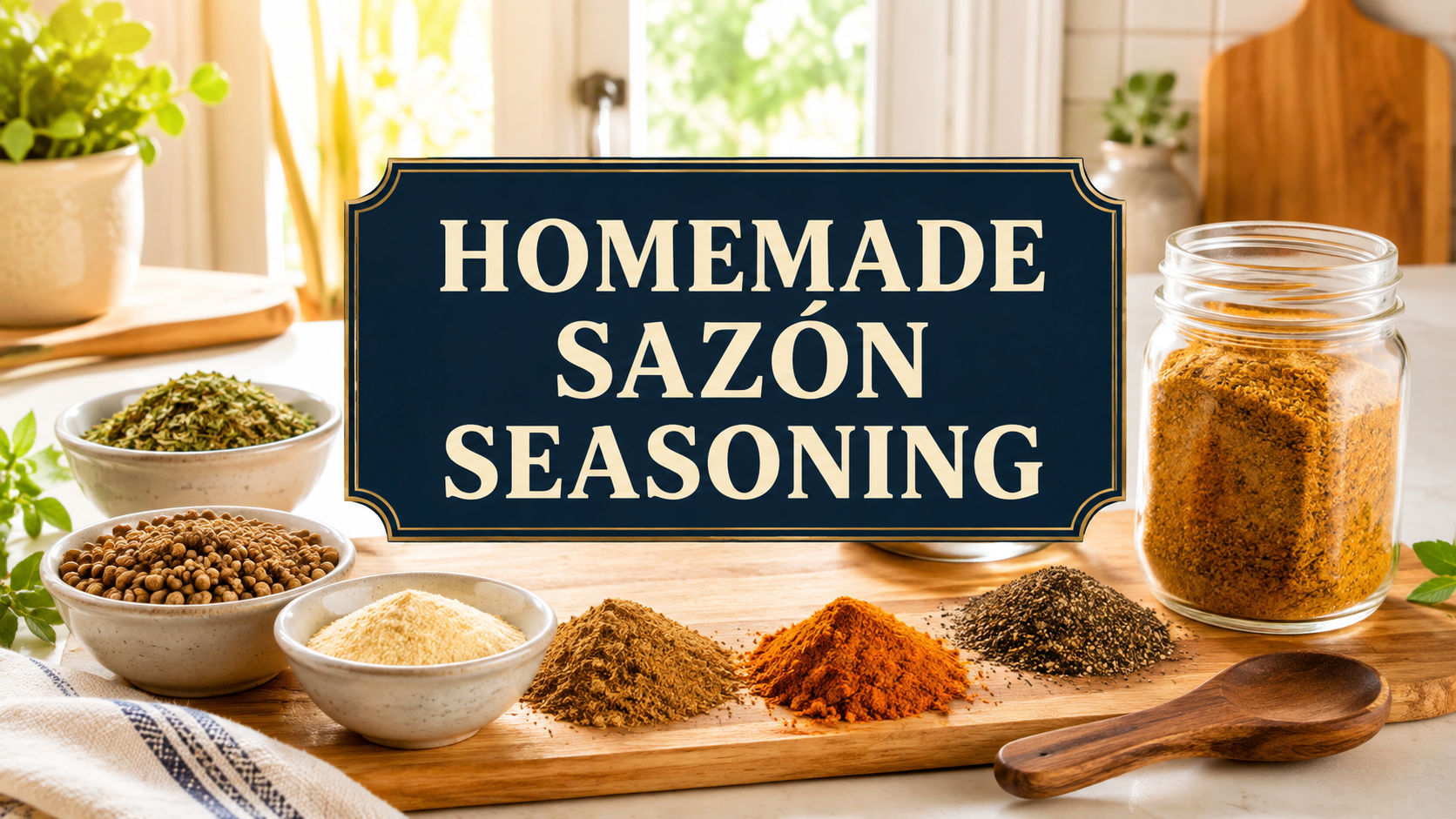
    Sazón adds a warm, savory flavor and rich color to many dishes, but packaged seasoning blends can contain more sodium than I want in a meal. I started making my own version so I could enjoy the flavor while controlling the ingredients.

    This homemade blend contains no added salt and works especially well in ground turkey, chicken, rice, beans, soups, stews, and pasta dishes. We use it in our Pasta Shells with Ground Turkey recipe instead of store-bought sazón.

    Ingredients

    • 1 tablespoon ground coriander
    • 1 tablespoon garlic powder
    • 1 tablespoon ground cumin
    • 2 teaspoons dried oregano
    • 1 tablespoon ground annatto or turmeric
    • 1 teaspoon freshly ground black pepper

    Instructions

    Add all the ingredients to a small bowl and mix thoroughly. Transfer the seasoning to an airtight container or spice jar and store it in a cool, dry place.

    Stir or shake the blend before each use. Start with a small amount, taste the food as it cooks, and add more as needed. Because the blend contains no salt, you can adjust the flavor without adding unwanted sodium.

    Annatto provides the color and flavor traditionally associated with sazón. Turmeric can be used as a convenient substitute, although it produces a slightly different flavor.

    Making this blend at home is quick, inexpensive, and another small way my family and I have learned to prepare flavorful food with less sodium.

  • Pasta Shells With Ground Turkey: Our Family’s Lower-Sodium Version

    Pasta Shells With Ground Turkey: Our Family’s Lower-Sodium Version

    Some recipes become family favorites because they are fancy. Others become favorites because they are affordable, filling, easy to prepare, and taste great. This pasta dish checks all four boxes for us.

    Our version is adapted from Pasta Shells with Ground Beef from Sweet Pea’s Kitchen. We follow the basic idea of the original recipe but make a few changes that better suit our family and the way we are trying to eat.

    How We Make It Our Own

    Instead of ground beef, we use ground turkey. It works well with the pasta and tomato sauce while making the dish a little lighter.

    We also replace the packaged sazón seasoning with our own homemade salt-free blend. Packaged seasoning mixes can contain more sodium than expected, so making the seasoning ourselves gives us more control over what goes into the meal.

    For the broth, we use Swanson Unsalted Chicken Broth instead of regular chicken broth. It adds moisture and flavor without the added salt commonly found in standard broths.

    Combined with no-salt-added tomatoes and our homemade salt-free sazón, this substitution gives us much more control over the sodium in the finished dish. The total sodium will still depend on the other ingredients and serving size, so I always recommend checking each product label.

    Finally, we replace regular Rotel with Rotel Original No Salt Added Diced Tomatoes and Green Chilies. We still get the tomato and green-chile flavor without the added salt found in the regular version.

    Our Homemade Salt-Free Sazón Blend

    We combine:

    • 1 tablespoon ground coriander
    • 1 tablespoon garlic powder
    • 1 tablespoon ground cumin
    • 2 teaspoons oregano
    • 1 tablespoon ground annatto seeds or turmeric
    • 1 teaspoon freshly ground black pepper

    This makes a batch of seasoning. We use the amount needed for the dish in place of the packaged sazón and save the remainder for another meal.

    A Family-Friendly Meal

    Everyone in our family enjoys this recipe. It is inexpensive, satisfying, and flavorful without requiring complicated ingredients or techniques. The ground turkey, pasta shells, tomatoes, and homemade seasoning come together to make the kind of comforting meal that works well on a busy evening.

    We use the ingredient amounts and cooking method from the original Sweet Pea’s Kitchen recipe, substituting ground turkey, our homemade sazón, and no-salt-added tomatoes.

    A Note About Sodium

    These substitutions help reduce the sodium, but they do not automatically make the entire meal low in sodium. The original recipe also calls for tomato broth, which can be significant sources of sodium.

    Check the nutrition labels on every ingredient and use reduced-sodium or no-salt-added alternatives when available. The amount that is appropriate for you may depend on your personal dietary limits and the guidance you receive from your healthcare team.

    Nutrition information will vary depending on the ingredients and brands used. My comments are based on personal experience and are not medical or nutritional advice. Credit for the original recipe and cooking directions belongs to Sweet Pea’s Kitchen.

  • Pork Bites With Gravy: My Lower-Sodium Version

    Pork Bites With Gravy: My Lower-Sodium Version

    My wife and I make these Pork Bites in Gravy from The Country Cook regularly, and they have become one of our favorite meals. The pork is tender, the gravy is rich and flavorful, and the recipe is easy to prepare in one large frying pan.

    How We Reduce the Sodium

    The main change we make is leaving out the teaspoon of kosher salt called for in the original recipe. A teaspoon of salt can add a substantial amount of sodium to a dish, although the exact amount depends on the type and brand of salt being used.

    The original recipe lists approximately 570 milligrams of sodium per serving and makes six servings. Removing the added salt should reduce that number considerably. However, I would not consider the final sodium amount exact because ingredients such as beef broth, bouillon, and butter can vary widely from one brand to another.

    For an even lower-sodium version, use no-salt-added beef broth or this one from Walmart and carefully compare the labels on any bouillon or other prepared ingredients. If you closely monitor sodium, calculate the total using the labels from the specific products you use.

    Choosing the Pork

    We have made this recipe with several different cuts of pork:

    • Boneless pork chops
    • Pork loin
    • Pork tenderloin

    We simply cut the pork into bite-sized cubes before cooking. All three options work well, so we usually use whichever cut we already have or can find at a good price.

    How We Cook It

    We prepare the entire dish in a large frying pan. Using a larger pan gives the pork enough room to brown without crowding the pieces together. Browning the pork adds flavor before the gravy is prepared in the same pan.

    The result is a comforting, satisfying meal with a rich gravy that certainly does not taste like something is missing.

    Another Way We Use It

    This recipe is also surprisingly versatile. We have even used the cooked pork to make pork fried rice. It is a convenient way to turn leftovers into an entirely different meal.

    If you use the pork for fried rice, remember that soy sauce and many bottled stir-fry sauces can contain a lot of sodium. A reduced-sodium or homemade no-salt-added sauce can help keep the total under control.

    Try It for Yourself

    This is not my original recipe, so please visit The Country Cook for the complete ingredient list and cooking instructions.

    Our primary modification is omitting the added kosher salt and choosing lower-sodium ingredients whenever possible. We have enjoyed this dish many times, and it continues to be one of our dependable favorites.

    If you try it, let me know how it turns out and whether you make any lower-sodium changes of your own.

    Nutrition information will vary depending on the ingredients and brands used. My comments are based on personal experience and are not medical or nutritional advice.

  • LOW SODIUM BEANS & RICE

    LOW SODIUM BEANS & RICE

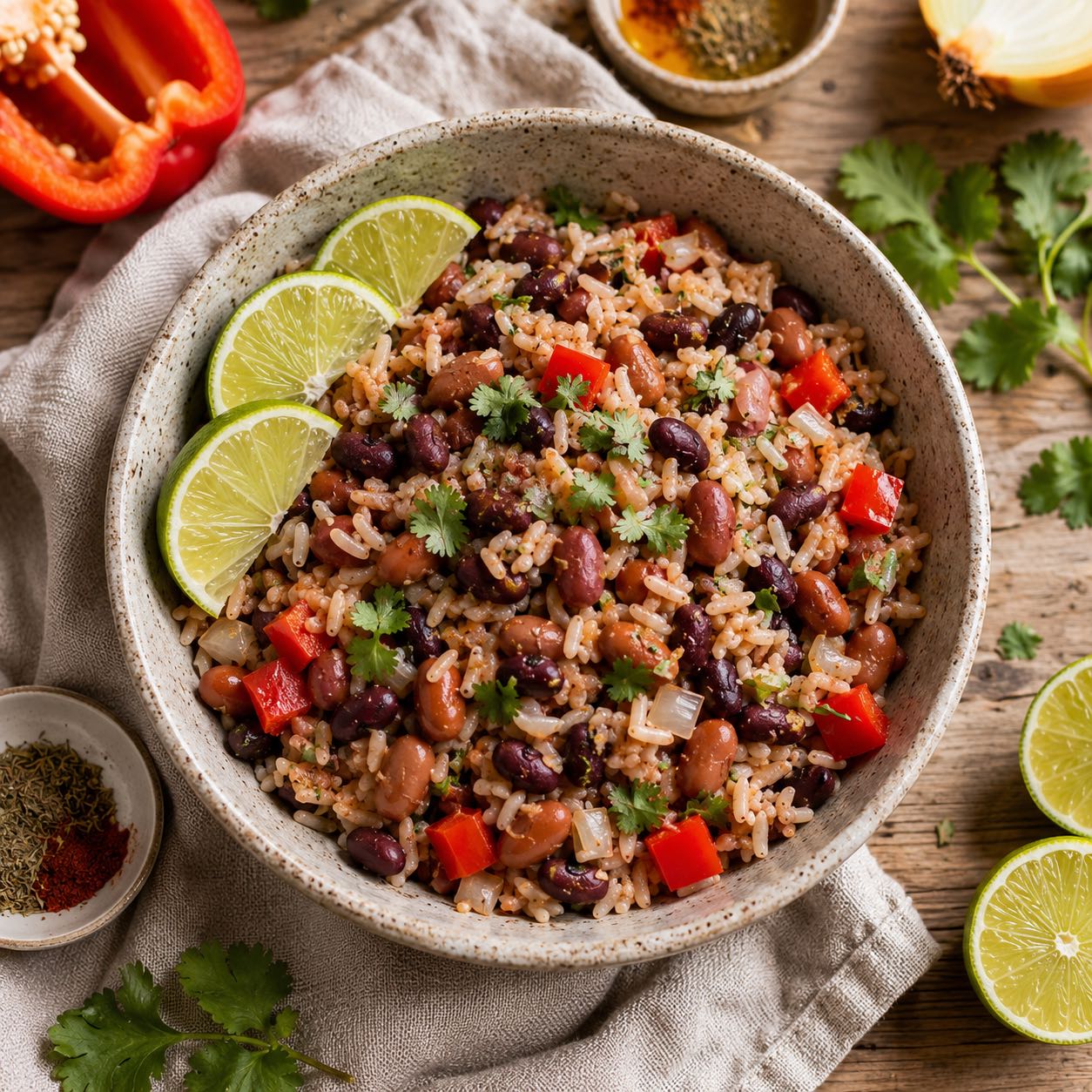
    This recipe was found on a graphic somewhere on Facebook a while ago. Sorry I cannot give the author credit for it as I have lost the original graphic. If it is yours, please let me know and will credit you. Our family loves this beans and rice recipe. It’s quick, easy and very tasty. We have added shrimp to it as well. We cooked the shrimp first and added them added them in at the end. Without the shrimp its roughly 180mg of sodium per serving

    Ingredients


    1 Tbsp olive oil

    1.5 tsp cumin

    1 small onion, diced

    1 tsp oregano

    1 bell pepper, diced

    1/2 tsp freshly ground black pepper

    3 garlic cloves, minced

    1/4 tsp cayenne, optional

    1 cup rice (white or brown), uncooked

    1 bay leaf

    1 can (15 oz) no-salt beans, drained & rinsed

    1 Tbsp lime juice

    2.5 cups low-sodium veg broth

    2 Tbsp apple cider vinegar

    2 tsp smoked paprika

    fresh cilantro, for garnish

    Directions


    1. Sauté onion and pepper, add garlic and spices.

    2. Add rice, broth, beans, bay leaf. Simmer 18 min if white rice, 40 min if brown rice.

    3. Rest 5 min.

    4. Add lime juice and apple cider vinegar.

    5. Top with fresh cilantro.

    Notes


    Smoked paprika + lime = tastes salty without salt.

    Nutrition information will vary depending on the ingredients and brands used. My comments are based on personal experience and are not medical or nutritional advice.

  • Benson’s Table Tasty: A Salt-Free Seasoning I Actually Enjoy

    Benson’s Table Tasty: A Salt-Free Seasoning I Actually Enjoy

    Following a low-sodium diet has required plenty of compromises. The most obvious was accepting that salt could no longer be an everyday staple in our home.

    That is much easier said than done.

    You can prepare a recipe without salt, but that does not necessarily mean it will taste good. When I first changed my diet, many foods tasted bland. I tried numerous herbs, spices, and salt-free blends, but none came close to replacing the flavor I missed.

    Then I read about a seasoning called Benson’s Table Tasty.

    Deciding to Try It

    I found Table Tasty on Amazon and initially thought it was a little expensive for a bottle of seasoning. Still, I decided to give it a try.

    I’m glad I did.

    Before long, I went from ordering a small shaker to buying it by the pound. The larger bag is much more cost-effective, although I recommend trying the shaker first to make sure you like it.

    Table Tasty is technically a seasoning rather than a salt substitute. It does not contain potassium chloride, an ingredient commonly found in many salt substitutes. According to the nutrition label on my package, a ¼-teaspoon serving contains 0 milligrams of sodium and 4 milligrams of potassium. Always check the current package information because ingredients and nutrition facts can change.

    How I Use Table Tasty

    I have used Table Tasty on just about everything. It adds flavor without overpowering the food, and it works especially well on:

    • Chicken, fish, beef, and other proteins
    • Roasted or baked vegetables
    • Carrots and potatoes
    • Scrambled and hard-boiled eggs
    • Homemade popcorn

    One of my favorite uses is popcorn. I make popcorn in the microwave—I’ll share how I do that in another article—then add a little olive oil and Table Tasty.

    Is it exactly like heavily salted movie-theater popcorn? No. But it tastes pretty good, and it gives me something satisfying that fits much better into the way I need to eat now.

    My Honest Opinion

    Table Tasty does not taste exactly like regular salt, and I would not describe it as a perfect one-for-one replacement. However, of all the salt-free seasonings I have tried, it is one of the closest I have found to providing that savory flavor I was missing.

    The price of the small shaker may give you pause, but buying the larger bag brings down the cost considerably if you decide you like it. I now keep it on hand because it makes low-sodium meals easier and more enjoyable.

    Low-sodium eating still requires adjustment, but finding products like this reminds me that food does not have to be flavorless.

    You can find Benson’s Table Tasty on Amazon.

    Affiliate disclosure: This post contains an affiliate link. If you make a purchase through the link, I may receive a small commission at no additional cost to you. I purchased and use this product, and the opinions expressed here are my own.

    This article describes my personal experience and is not medical or dietary advice. Nutrition needs vary, particularly for people managing kidney or heart conditions. Check the current product label and speak with your healthcare professional about what is appropriate for you.

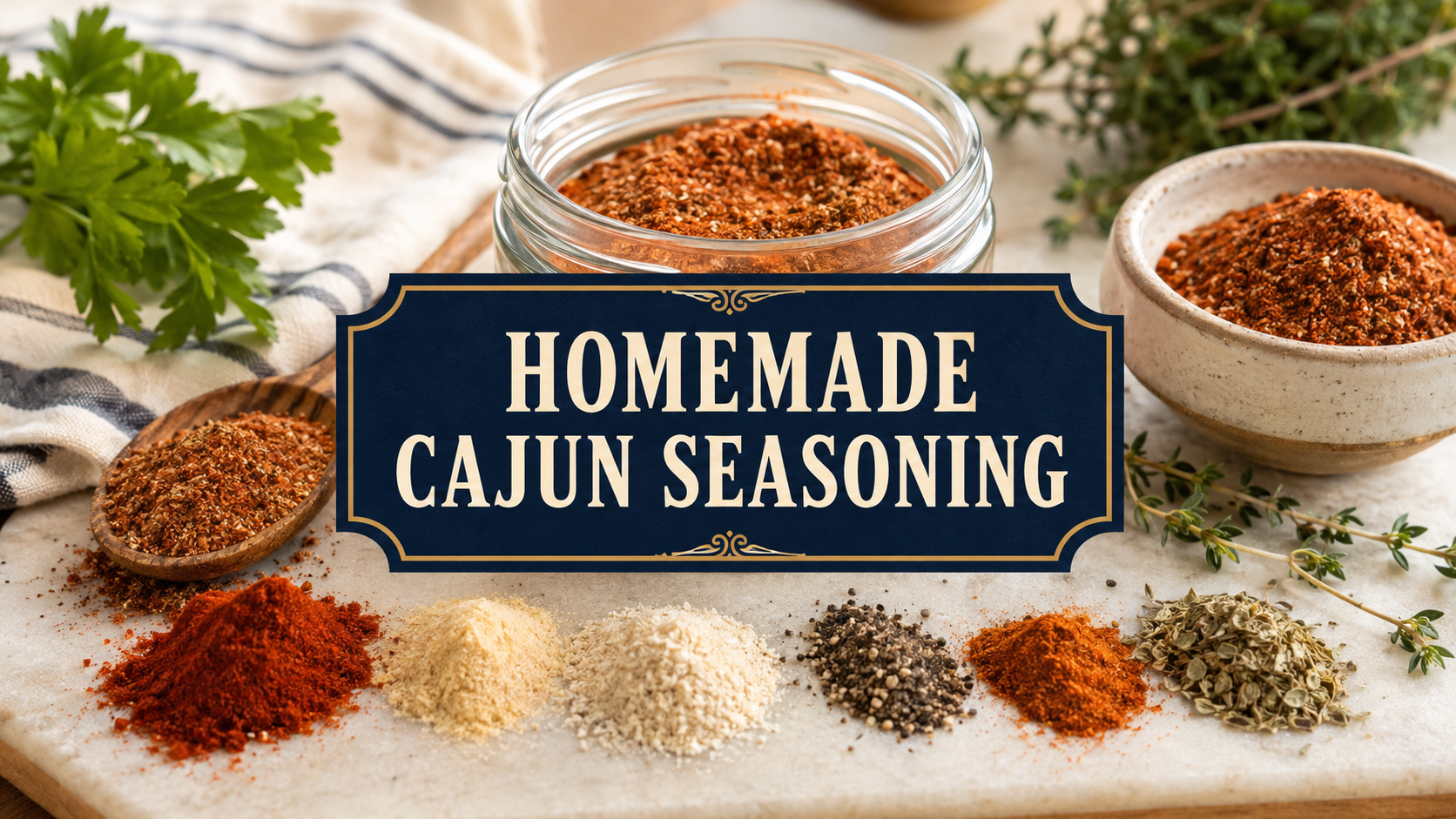
  • No-Salt Cajun Seasoning

    No-Salt Cajun Seasoning

    1/2 cup paprika

    1 TBSP cayenne pepper (optional)

    1/4 cup garlic powder

    2 TBSP oregano leaf

    2 TBSP freshly ground black pepper

    1 TBSP thyme leaf

    2 TBSP onion powder

    Directions


    Mix all ingredients in a bowl, jar or food processor and store in an air-tight container until ready to use.

  • Low-Sodium Living: When “Temporary” Became a Way of Life

    Low-Sodium Living: When “Temporary” Became a Way of Life

    I learned that I had congestive heart failure in October 2025. At the time, I believed it was temporary—something I would deal with until my aortic valve was replaced. I assumed that after the procedure, I would recover and eventually return to normal.

    Boy, was I mistaken.

    I still live with heart failure, and I also have a left bundle branch block, or LBBB. What I thought would be a temporary change has become a new way of life. One of the biggest adjustments has been learning how to live with much less sodium.

    A difficult lesson

    I met with a nutritionist because I wanted practical guidance. I hoped she would teach me how to eat differently without giving up everything I enjoyed. I especially wanted help figuring out how I could occasionally eat at a restaurant and still make responsible choices.

    Unfortunately, the appointment felt more like a scare tactic than a useful lesson. The line I remember most was essentially, “You’ve eaten like crap for the last 25 years. Now it’s time to eat correctly for the rest of your life.”

    I understood the point, but I left without many realistic ideas for everyday life. I listened to what she said, but I also knew there was no way I was going to live on tofu for the rest of my life.

    What the appointment did accomplish was make me much more aware of how much sodium is hiding in packaged foods and restaurant meals. It isn’t only fast food. Sodium is everywhere, including in foods that do not necessarily taste salty.

    Changing how we shop and cook

    My wife and I have completely changed the way we grocery shop and prepare meals. We rarely buy prepackaged meals now and make most of our food from scratch. We look for no-salt-added products whenever possible, including broth, canned tomatoes, beans, seasonings, and other ingredients.

    Cooking from scratch takes more time and planning, but it gives us much more control over what goes into our food.

    Then there is barbecue.

    I am a huge barbecue guy, so giving up my usual rubs has been one of the harder changes. Many commercial rubs contain a surprising amount of sodium. I have found a few seasoning blends that work for pork shoulder and poultry, and I have experimented with making my own.

    They are okay—but I’ll be honest, they are not quite the same.

    Finding meals that work

    We eat far more salads than we used to. I like adding tomatoes, radishes, beans, onions, dried cranberries, and walnuts to make them more filling and interesting.

    Some of those foods may be higher in potassium or phosphorus, however. Because I also live with kidney disease, I have to consider more than sodium alone. What works for me may not be appropriate for someone else, so it is important to ask your doctor or dietitian what is suitable for you based on your conditions, medications, and laboratory results.

    Salad dressing presents another challenge. Many bottled dressings contain a considerable amount of sodium. We have found a few lower-sodium options, but I often make dressing at home.

    One option I use is a no-salt-added ranch seasoning mixed with mayonnaise and buttermilk. The mayonnaise and buttermilk still contribute some sodium, so it is not sodium-free, but it is considerably lower than many prepared dressings.

    It tastes different from the bottled ranch dressing I was accustomed to. Low-sodium food often takes some getting used to, but your expectations and taste buds can adjust over time.

    Learning as I go

    I am still learning how to make food enjoyable while protecting my heart and kidneys. Some changes have been relatively easy, while others—especially barbecue—still sting.

    Low-sodium living does not have to mean eating flavorless food or giving up everything you enjoy. It does require reading labels, planning ahead, experimenting, and accepting that some foods will never taste exactly the way they once did.

    Throughout this site, I will share foods, recipes, seasonings, and products that have helped me. These are personal experiences rather than medical recommendations, but I hope they make the adjustment a little easier for someone else.

    If you have found a low-sodium food, product, or cooking technique that works well for you, I would love to hear about it. I may be able to share your suggestion here so that others can benefit from it too.