Category: Recipes

  • Pork Bites With Gravy: My Lower-Sodium Version

    Pork Bites With Gravy: My Lower-Sodium Version

    My wife and I make these Pork Bites in Gravy from The Country Cook regularly, and they have become one of our favorite meals. The pork is tender, the gravy is rich and flavorful, and the recipe is easy to prepare in one large frying pan.

    How We Reduce the Sodium

    The main change we make is leaving out the teaspoon of kosher salt called for in the original recipe. A teaspoon of salt can add a substantial amount of sodium to a dish, although the exact amount depends on the type and brand of salt being used.

    The original recipe lists approximately 570 milligrams of sodium per serving and makes six servings. Removing the added salt should reduce that number considerably. However, I would not consider the final sodium amount exact because ingredients such as beef broth, bouillon, and butter can vary widely from one brand to another.

    For an even lower-sodium version, use no-salt-added beef broth or this one from Walmart and carefully compare the labels on any bouillon or other prepared ingredients. If you closely monitor sodium, calculate the total using the labels from the specific products you use.

    Choosing the Pork

    We have made this recipe with several different cuts of pork:

    • Boneless pork chops
    • Pork loin
    • Pork tenderloin

    We simply cut the pork into bite-sized cubes before cooking. All three options work well, so we usually use whichever cut we already have or can find at a good price.

    How We Cook It

    We prepare the entire dish in a large frying pan. Using a larger pan gives the pork enough room to brown without crowding the pieces together. Browning the pork adds flavor before the gravy is prepared in the same pan.

    The result is a comforting, satisfying meal with a rich gravy that certainly does not taste like something is missing.

    Another Way We Use It

    This recipe is also surprisingly versatile. We have even used the cooked pork to make pork fried rice. It is a convenient way to turn leftovers into an entirely different meal.

    If you use the pork for fried rice, remember that soy sauce and many bottled stir-fry sauces can contain a lot of sodium. A reduced-sodium or homemade no-salt-added sauce can help keep the total under control.

    Try It for Yourself

    This is not my original recipe, so please visit The Country Cook for the complete ingredient list and cooking instructions.

    Our primary modification is omitting the added kosher salt and choosing lower-sodium ingredients whenever possible. We have enjoyed this dish many times, and it continues to be one of our dependable favorites.

    If you try it, let me know how it turns out and whether you make any lower-sodium changes of your own.

    Nutrition information will vary depending on the ingredients and brands used. My comments are based on personal experience and are not medical or nutritional advice.
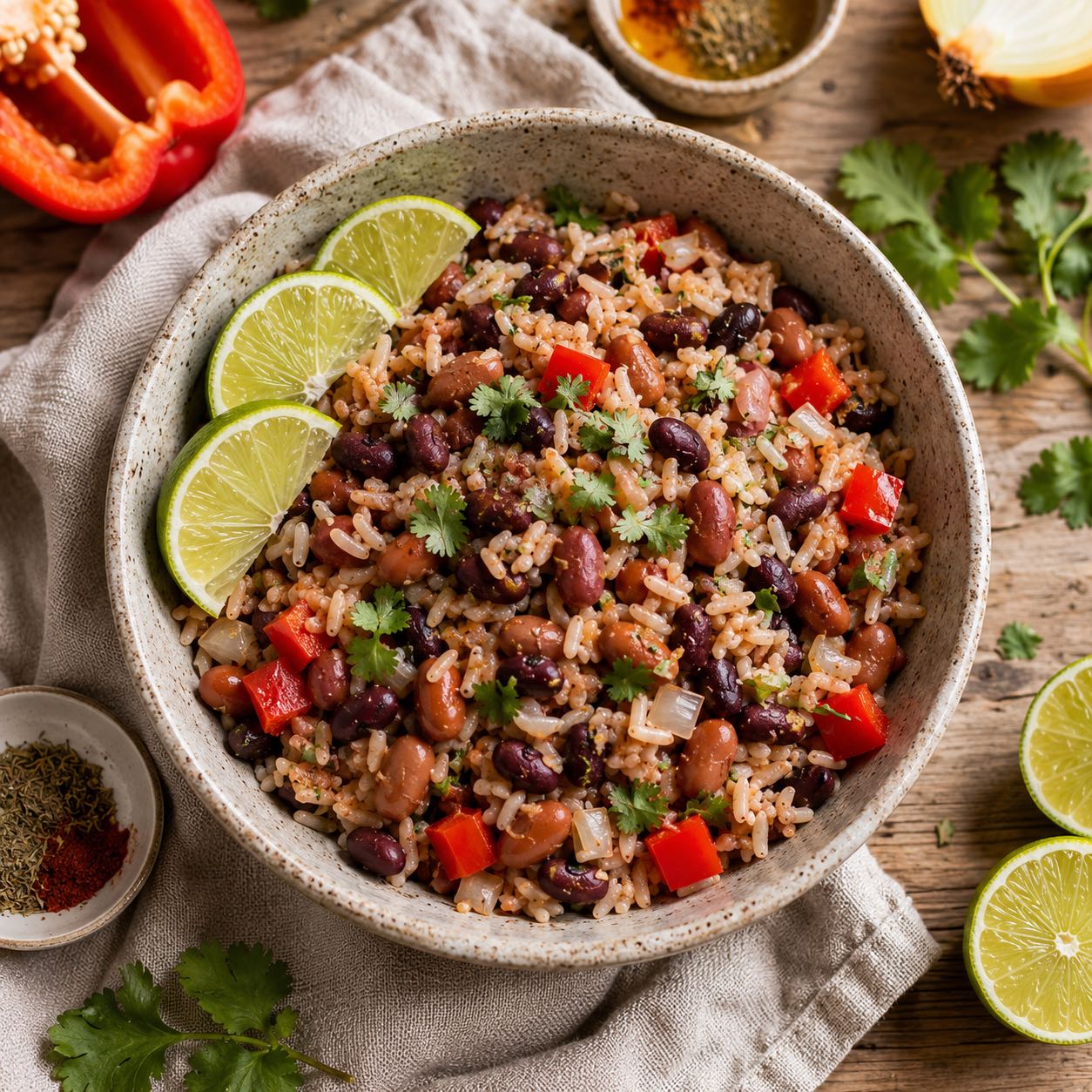
  • LOW SODIUM BEANS & RICE

    LOW SODIUM BEANS & RICE

    This recipe was found on a graphic somewhere on Facebook a while ago. Sorry I cannot give the author credit for it as I have lost the original graphic. If it is yours, please let me know and will credit you. Our family loves this beans and rice recipe. It’s quick, easy and very tasty. We have added shrimp to it as well. We cooked the shrimp first and added them added them in at the end. Without the shrimp its roughly 180mg of sodium per serving

    Ingredients


    1 Tbsp olive oil

    1.5 tsp cumin

    1 small onion, diced

    1 tsp oregano

    1 bell pepper, diced

    1/2 tsp freshly ground black pepper

    3 garlic cloves, minced

    1/4 tsp cayenne, optional

    1 cup rice (white or brown), uncooked

    1 bay leaf

    1 can (15 oz) no-salt beans, drained & rinsed

    1 Tbsp lime juice

    2.5 cups low-sodium veg broth

    2 Tbsp apple cider vinegar

    2 tsp smoked paprika

    fresh cilantro, for garnish

    Directions


    1. Sauté onion and pepper, add garlic and spices.

    2. Add rice, broth, beans, bay leaf. Simmer 18 min if white rice, 40 min if brown rice.

    3. Rest 5 min.

    4. Add lime juice and apple cider vinegar.

    5. Top with fresh cilantro.

    Notes


    Smoked paprika + lime = tastes salty without salt.

    Nutrition information will vary depending on the ingredients and brands used. My comments are based on personal experience and are not medical or nutritional advice.
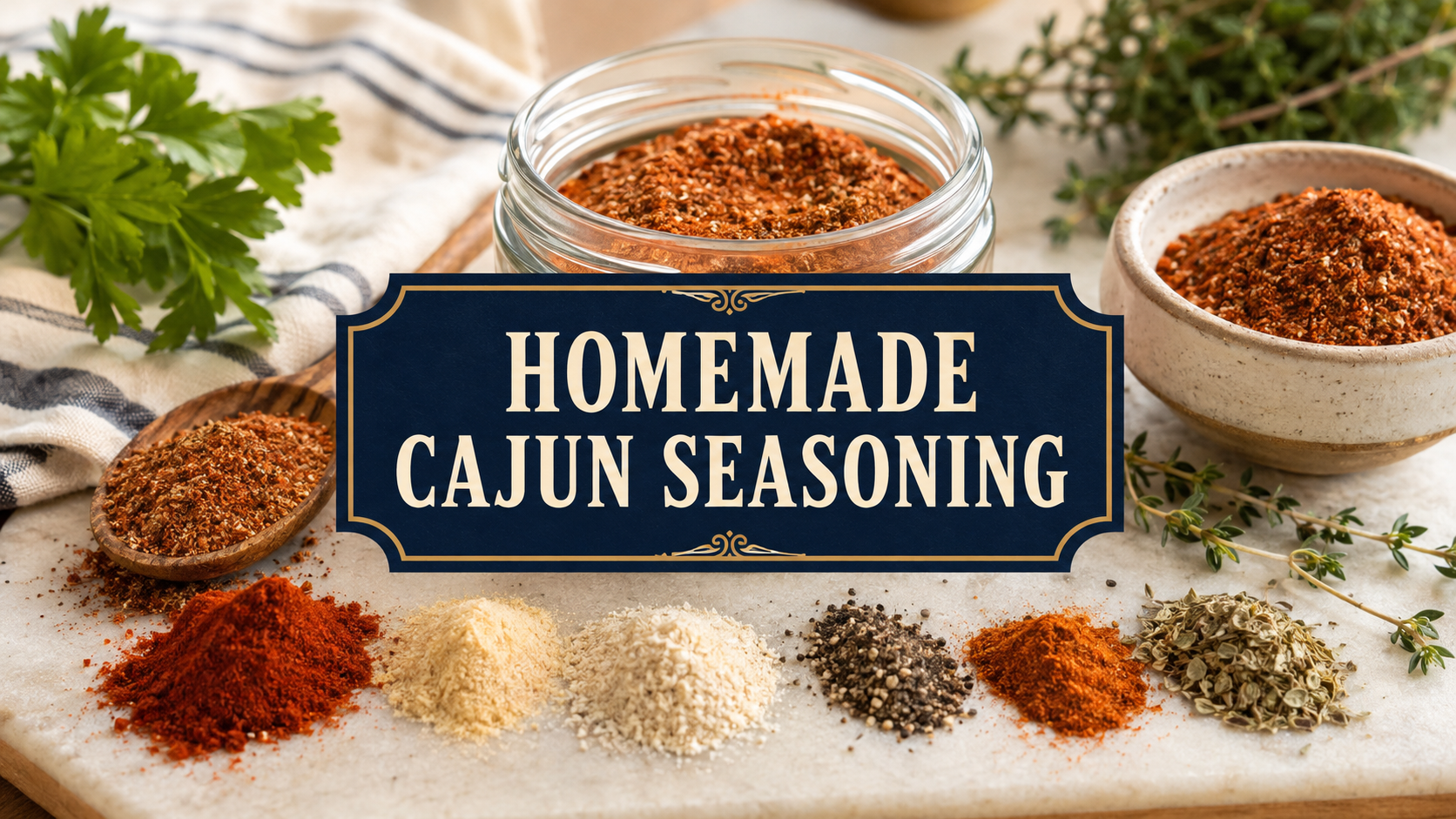
  • No-Salt Cajun Seasoning

    No-Salt Cajun Seasoning

    1/2 cup paprika

    1 TBSP cayenne pepper (optional)

    1/4 cup garlic powder

    2 TBSP oregano leaf

    2 TBSP freshly ground black pepper

    1 TBSP thyme leaf

    2 TBSP onion powder

    Directions


    Mix all ingredients in a bowl, jar or food processor and store in an air-tight container until ready to use.

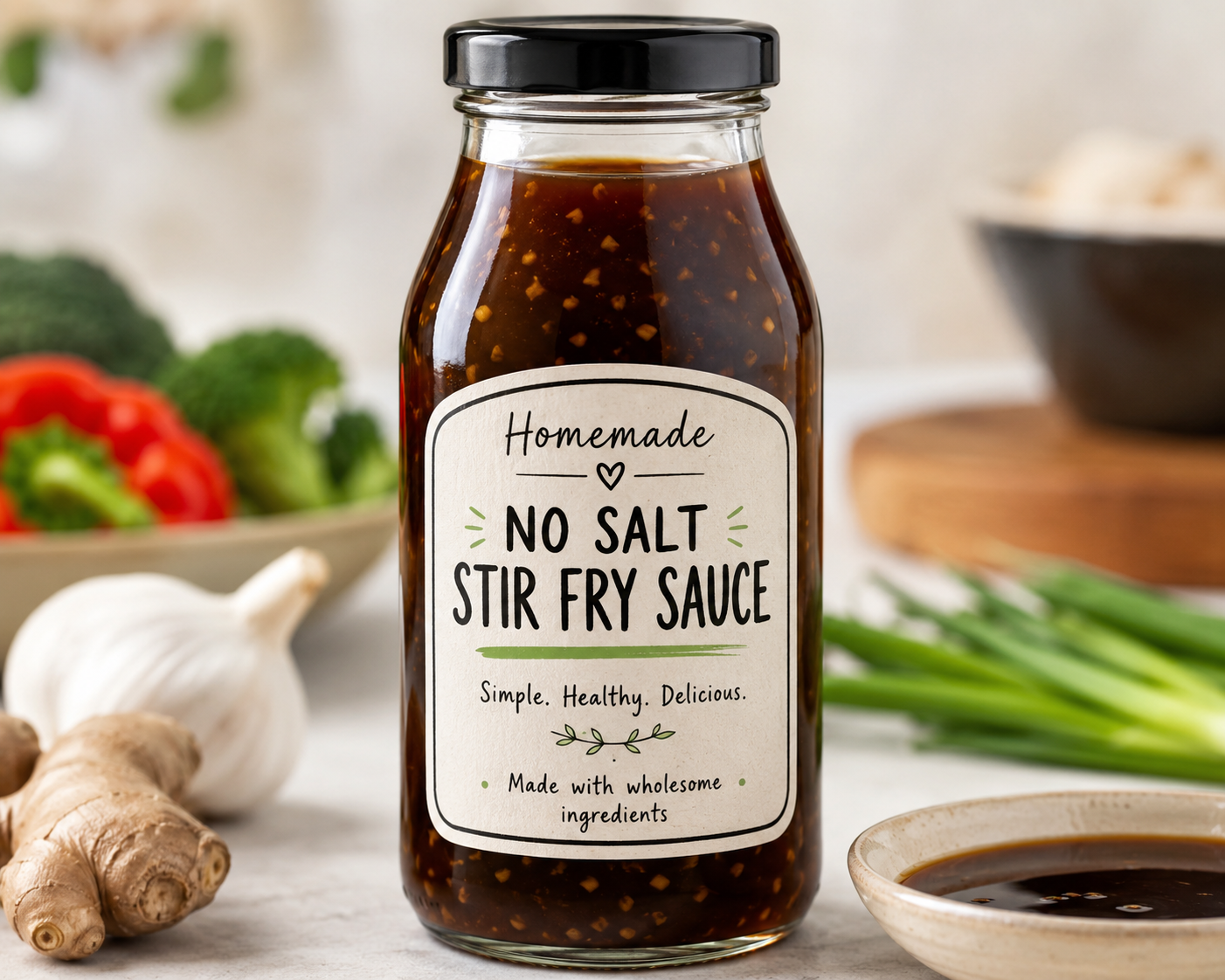
  • No-Salt Stir-Fry Sauce

    No-Salt Stir-Fry Sauce

    Ingredients


    3/4 cup unsalted chicken broth or water

    1 teaspoon ground ginger

    2 tablespoons rice vinegar

    1/2 teaspoon onion powder

    1 tablespoon toasted sesame oil

    1/4 teaspoon freshly ground black pepper

    1 tablespoon brown sugar or honey

    1 tablespoon cornstarch

    1 teaspoon garlic powder

    2 tablespoons cold water

    Directions


    1. Whisk the broth, rice vinegar, sesame oil, sugar, garlic, ginger, onion powder, and pepper together.

    2. Add the mixture to your cooked meat and vegetables.

    3. Mix the cornstarch with 2 tablespoons cold water until smooth.

    4. Stir the cornstarch mixture into the pan and simmer for 1–2 minutes, until the sauce thickens.